







Search Results for: extraction control
In-Depth Analysis of Espresso Dose Control: Extraction Adjustment Strategies from Gram Weight Differences to Flavor Balance
Many coffee enthusiasts are intimately familiar with latte art and equipment, yet when it comes to espresso extraction, they often overlook dosing, puck management, and tasting judgment. In fact, dose control is just as critical as grind size adjustment—fluctuations in dose mean that even the most beautiful latte art cannot mask an imbalance in the coffee itself. Starting from the TDS and extraction yield formulas, and drawing on a 2.3-gram dose difference measured on a Mazzer Robur grinder, this article uses charts and data to illustrate the specific effects of dose on concentration, extraction yield, and the balance between acidity and bitterness, and explores approaches to dosing for light-roast espresso. Front Street Coffee also emphasizes the importance of dose consistency in its daily output, and we hope this article offers practical reference for your extraction adjustments. [more…]
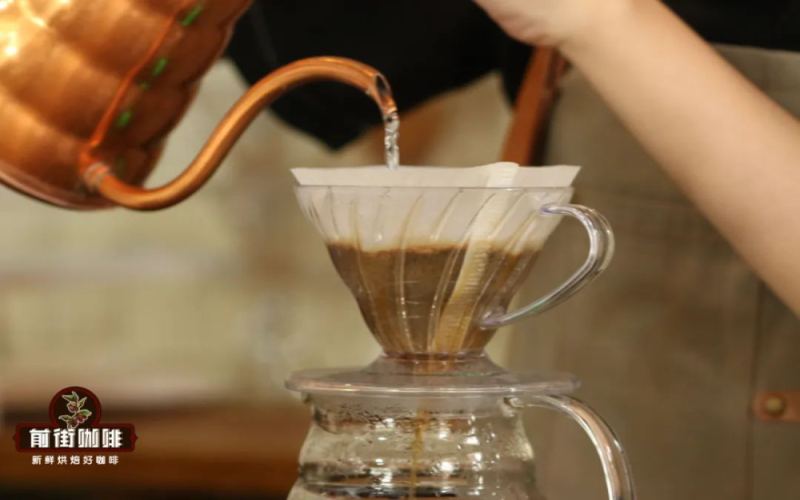
How to Control the Extraction Time of Pour-Over Coffee? Causes of Slow Drip and Practical Solutions
The extraction time of pour-over coffee is not an isolated number; it has a positive correlation with the extraction yield. When the extraction yield falls within the generally accepted ideal range of 18% to 22%, the coffee flavor usually performs better, and when this range is projected onto the time axis, it forms an optimal time range tied to a specific brewing recipe. Front Street Coffee uses the example of a light roast with 15 grams of grounds, a 1:15 ratio, 91°C, an 80% pass rate through a No. 20 sieve, and a three-stage pour, giving a reference range of 1 minute 50 seconds to 2 minutes 10 seconds. However, many enthusiasts find that even with identical parameters, the actual drip time may still be longer. This is often related to factors such as the grinder's particle size distribution and pouring habits. This article will break down these variables one by one and introduce the 4-6 brewing method, which uses time itself as a control lever, to help readers master the rhythm of pour-over more calmly. [more…]
From Grinding to Temperature Control: Systematically Master the Seven Core Elements of Stable Espresso Extraction
To consistently make a delicious Espresso at home or in a shop, relying on feel alone is far from enough—you need to understand and control several key variables. This article breaks down the hardware and operational points that affect espresso quality one by one, from grind uniformity, fixed dose, and tamping technique, to brewing pressure, water temperature, extraction yield, and machine materials. Whether you use a flat burr or conical burr grinder, a vibration pump or rotary pump, you can find practical adjustment ideas here. The article also shares Front Street Coffee's practical suggestions on equipment selection and parameter settings, helping coffee enthusiasts avoid detours and make every shot of espresso closer to the ideal state. [more…]
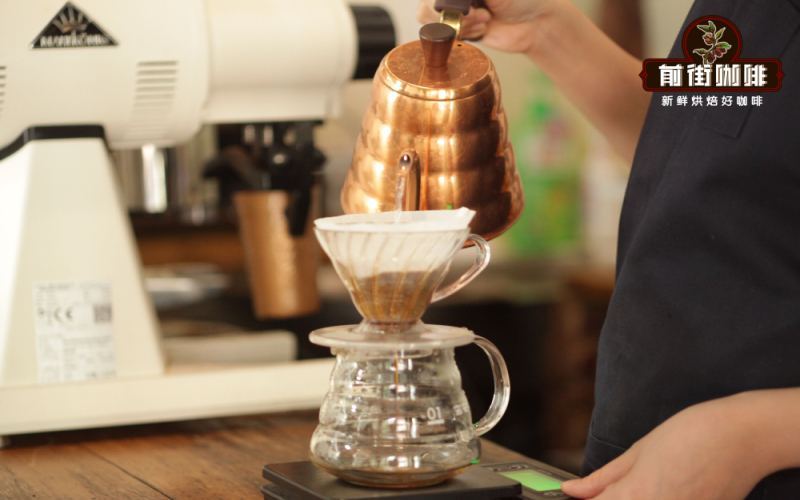
How Long Should Pour-Over Coffee Extraction Take? A Flavor Control Guide for 15g Coffee: 1:50 to 2:30
How long should you brew pour-over coffee for the best taste? This is a question many enthusiasts agonize over again and again. Using a size 01 dripper and 15 grams of coffee as the baseline, this article gives the optimal extraction window of 1 minute 50 seconds to 2 minutes 30 seconds, and starting from the principles of coffee extraction, explains how brew time affects the dissolution of flavor compounds, as well as what taste profiles under-extraction and over-extraction each produce. It also breaks down how three key variables—grind size, dripper type, and pouring technique—specifically affect the flow rate, helping you control timing more consistently in your daily brewing and make a well-balanced cup of good coffee. [more…]
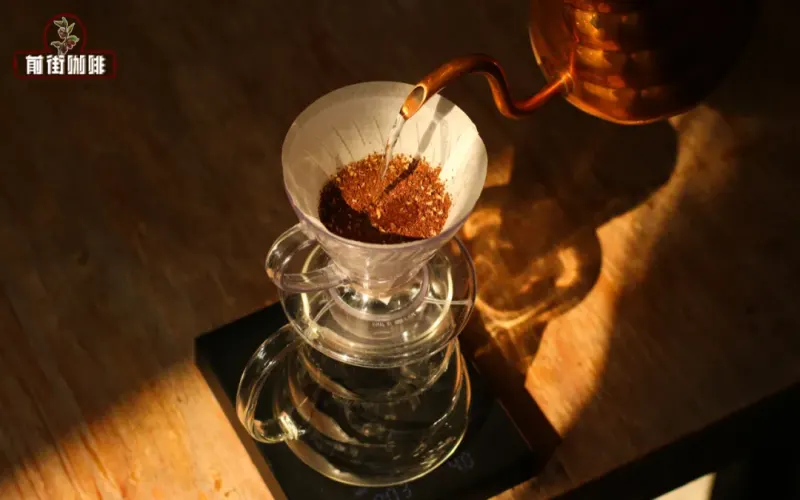
The Clever Cup's Water Control Valve Trick: Locking in Hot Water for Even Blooming — Pour-Over Operation and Parameters Shared
That small water-control valve on the Clever Cup can actually help us do quite a lot. By opening and closing the valve or adjusting how far it's closed, we can flexibly control the coffee's extraction method and the flow rate, and it can even help beginners pull off operations that are normally difficult—like a "perfect bloom." This article revolves around the principles of blooming and the choice of water volume, analyzing the uneven saturation problems that tend to occur with traditional blooming, and explaining how the Clever Cup uses its valve to lock hot water inside the dripper to achieve immersion-style blooming. Then, using Front Street Coffee's Grana Geisha as an example, it shares a complete three-pour brewing process to see whether a 30-second immersion bloom actually leads to over-extraction. [more…]

A Complete Guide to Water Control Techniques in Pour-Over Coffee: Systematic Training from Flow Rate and Pouring Height to Circular Pouring Technique
The flavor profile of pour-over coffee depends to a large extent on the stability of the pouring. Many enthusiasts plan their brewing parameters in advance, but once they start, the water flow becomes difficult to control, and the final result is left to chance. Drawing on Front Street's practical experience, this article systematically lays out training methods for the fundamental skill of water control, including how to choose and hold a pour-over kettle, the key points for controlling a vertical stream, reference ranges for flow rate and pouring height, and the correct path for circular pouring along with common mistakes. Through progressive practice, it helps you improve your feel for starting and stopping the pour during actual brewing, making extraction more even and the flavor closer to the ideal. [more…]
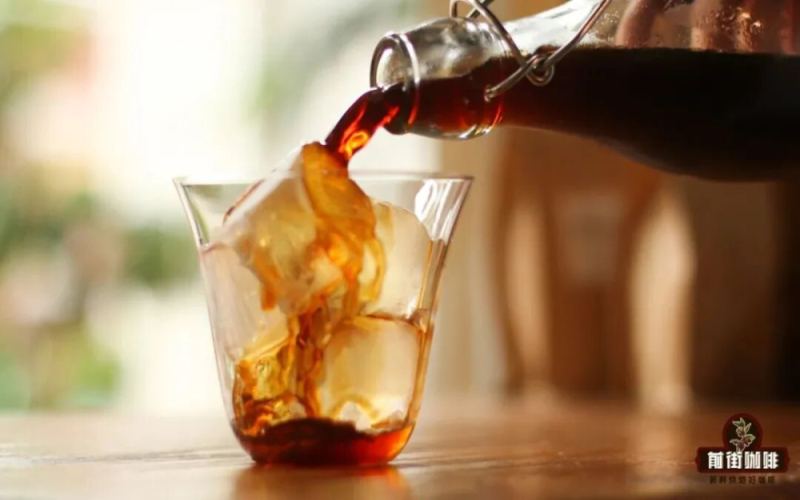
Complete Guide to Cold Brew Coffee Making: Standard Steps, Flow Rate Control, and Time Explained
Cold drip coffee, with its lengthy brewing process and unique layers of flavor, has always been a topic of interest among coffee enthusiasts. Completely different from cold brew, cold drip requires specialized equipment, precise control of the water drip rate, and subsequent fermentation and aging. This article will analyze in detail the standard steps for making cold drip coffee from four dimensions—grind size, drip speed, extraction ratio, and aging time—and answer the common question of "how long does it actually take to make a cup of cold drip?" At the same time, the article also compiles Front Street Coffee's practical experience and parameter recommendations in cold drip production, helping you understand the complete process of this low-temperature drip coffee in a more systematic way. [more…]
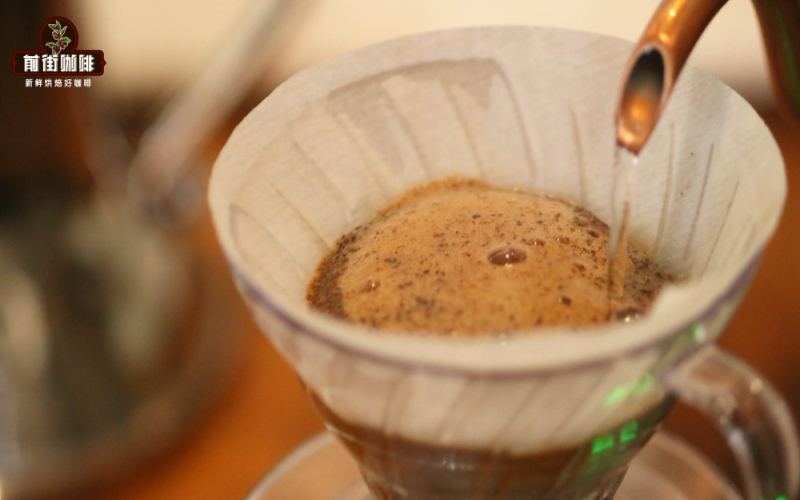
Complete Tutorial on Three-Pour Pour-Over Coffee: Ratio Distribution, Water Temperature Control, and Extraction Rhythm Analysis
Among the many techniques of pour-over coffee, the pouring method has always been the core topic that enthusiasts are most eager to discuss. Different pouring strategies directly affect the flavor layers and mouthfeel that the coffee ultimately presents. For beginners who are just getting into pour-over, Front Street usually recommends a three-stage pouring plan known as the "universal pour-over method." This article will use 15 grams of grounds and a 1:15 coffee-to-water ratio as an example to break down in detail the proportion distribution of the three-stage pour, deeply analyze the operational essentials of each pouring stage and the extraction logic behind it, and also share practical experience with staged water temperature control, helping you stably brew clean, bright, and richly layered good coffee at home. [more…]
A Complete Guide to Pour-Over Coffee Brewing: Blooming Techniques, the Coffee Wall Principle, and Step-by-Step Tutorial on Controlling Extraction Water Volume
The flavor expression of pour-over coffee often depends on the details of blooming, pouring rhythm, and extraction volume control. This article starts with why the blooming area should be controlled to the size of a nickel, and gradually analyzes the connection between coffee particle degassing and space recovery, the formation and role of the coffee wall, and how to judge the timing of the second pour under different degassing states. It also explains the reference value of a 1:15 water-to-coffee ratio and ways to adjust it, and includes a pour-over video tutorial and practical Front Street Coffee product recommendations to help coffee enthusiasts systematically master the pour-over brewing steps and core essentials. [more…]
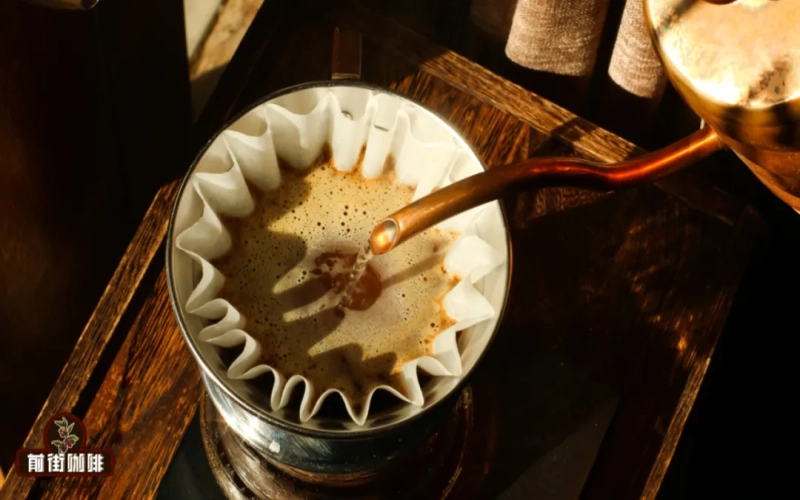
Why Does Pour-Over Coffee Favor Staged Pouring? Analyzing the Extraction Efficiency and Controllability Differences Between the One-Pour Method and the Three-Stage Method
In the world of pour-over coffee, the choice of pouring method often determines the final flavor direction. Although brewing techniques emerge endlessly, multi-pour pouring has always remained mainstream—whether in professional competitions, café offerings, or enthusiasts' daily practice, its presence can be seen everywhere. Many friends who are just getting into pour-over ask Front Street Coffee: why do we always have to divide the water into several pours? Behind this actually involves two key factors: the improvement of extraction efficiency and the controllability of the brewing process. This article will unfold around the differences between single-pour and three-stage pouring and other staged pouring methods, analyzing the advantages of multi-pour pouring from the perspectives of extraction time and concentration differences, while also answering why immersion extraction has a higher fault tolerance rate, helping everyone understand the essence of the pouring logic in pour-over coffee. [more…]
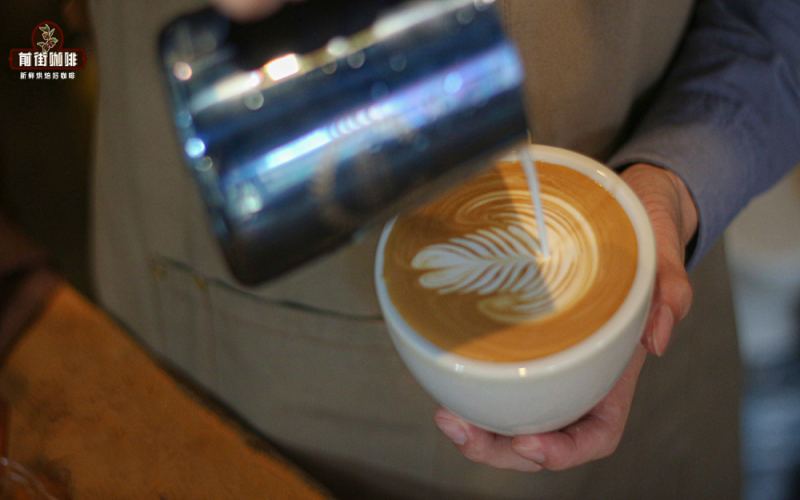
How to Control Espresso Extraction Time and Ratio? A Practical Analysis of Dose, Grind Size, and Flow Rate Adjustment
Many people who make espresso at home with an espresso machine always feel that their results fall short of what a café produces—either it's bitter and undrinkable, or the latte art falls apart the moment the milk is poured. The problem usually lies in a few key variables: extraction time, dose, and grind size. Drawing on Front Street Coffee's hands-on experience, this article helps you sort out the core parameters of espresso extraction, explains why pre-ground coffee can only offer a rough range of coarseness, and shares how to salvage a shot when the flow is too slow by fine-tuning the dose and tamping pressure. As long as you grasp these few key points, consistently pulling a smooth, drinkable shot of espresso really isn't that complicated—even beginners can quickly find the right direction for adjustments. [more…]
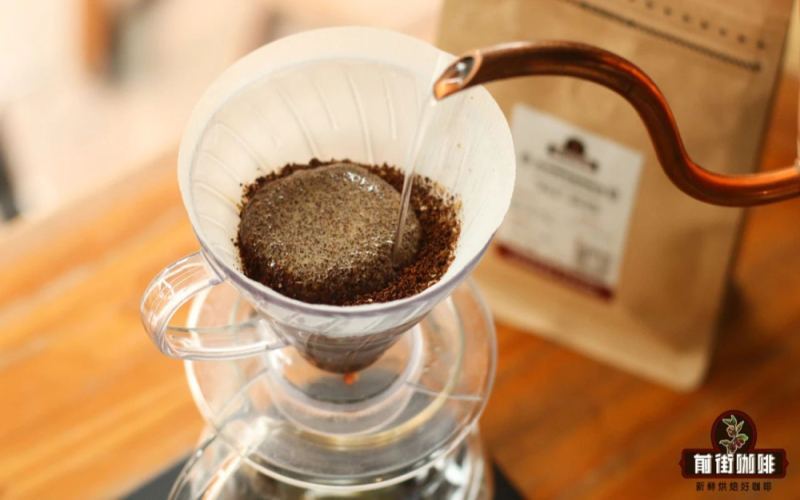
From Choosing Equipment to Pouring Technique: A Complete Guide to Pour-Over Coffee Basics, Water Temperature, Grind Size, and Coffee-to-Water Ratio
For making an authentic single-origin coffee at home, pour-over is often the lowest-barrier and quickest option to master. The equipment isn't as bulky or expensive as espresso machines, and as long as you grasp a few key parameters, your results will gradually become consistent. Drawing on the hands-on experience of Front Street Coffee, this article systematically lays out the equipment setup needed for pour-over coffee, including guidance on choosing a gooseneck kettle, dripper, grinder, thermometer, digital scale, filter paper, fines sifter, and server; it also breaks down how six major variables—water temperature, grind size, coffee-to-water ratio, water quality, bean freshness, and pouring technique—affect flavor, and uses a three-pour method as an example to explain how to control blooming, pouring rhythm, and extraction time, helping enthusiasts build a reproducible brewing framework. [more…]
How to Control Espresso Extraction Time? A Complete Interpretation from Traditional Standards to Modern Parameters
Espresso is far more sensitive to extraction time than any other brewing method—a difference of just a few seconds can make the flavor worlds apart. This article will take you back to the classic 20-30 second standard in early espresso textbooks, analyze why the old formula no longer applies now that contemporary coffee bean quality has improved, and introduce in detail the current new-generation extraction framework based on double baskets, measured by weight, with a 1:2 brew ratio and a 25-30 second extraction time. At the same time, the article will also recommend two espresso beans suited to different scenarios—Front Street Classic Blend and Front Street Dark Cocoa Blend—to help you quickly find a stable extraction solution. [more…]
How Coffee Grind Size Affects Extraction and Flavor: A Comprehensive Analysis from Extraction Yield to Bitterness Control
The coarseness of coffee grounds directly determines the resistance and contact area when hot water passes through the coffee bed, which in turn affects the flavor direction of the final cup. A short extraction time requires finer particles to increase surface area; a longer time requires larger particles to avoid over-extraction. Grind size and extraction time need to form a proportional relationship to balance acidity, sweetness, and bitterness. Light and dark roasts also have different requirements for grind size: light roasts favor slightly finer grinds, while dark roasts favor slightly coarser ones. In addition, coarseness is also a key lever for controlling bitterness: too fine and all the astringent, bitter compounds are released; too coarse and the sweet aromatics remain trapped in the grounds. This article will systematically review how grind size affects extraction yield, flavor, and equipment compatibility, and offer practical directions for adjustment. [more…]
How to Precisely Control Espresso Grind Size? A Complete Analysis of Particle Size Range and Adjustment Methods
Grind size selection is a key factor determining coffee extraction quality. Because espresso uses high-temperature, high-pressure, short-time extraction, its requirements for particle fineness and uniformity are far higher than those of other brewing methods. This article will sort out the extraction principles of espresso from the beginning, explain why the grind particle size needs to be controlled within the 150–300 micron range, and detail how to calibrate the grind setting through flow-rate observation and taste judgment. It also provides specific daily grind adjustment steps, including debugging methods, coffee-to-liquid ratio references, and adjustment strategies for common problems such as bitter burnt notes, thin crema, and a short finish, helping coffee enthusiasts and professionals quickly find suitable grind parameters. [more…]
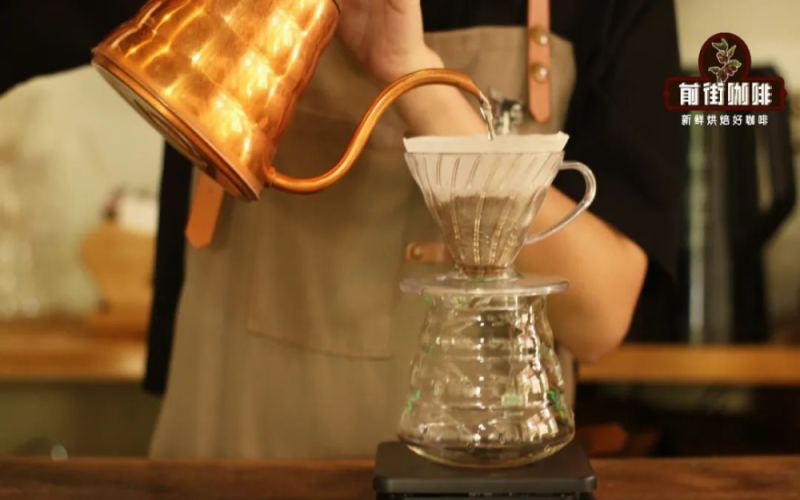
A Complete Tutorial on Brewing Single-Origin Pour-Over Coffee at Home: Practical Key Points from Equipment Preparation to Extraction Control
To make a delicious single-origin pour-over coffee at home, what you need to master is not only the operational steps, but also an understanding of the equipment, parameters, and extraction logic. Starting from the production experience of Front Street Coffee, this article systematically sorts out the key factors in pour-over coffee, including equipment preparation, dripper selection, grinding and water temperature control, coffee-to-water ratio, and extraction time, and uses Yirgacheffe Kochere as an example to fully demonstrate the three-pour brewing process. The article also specifically discusses the relationship between the shape of the coffee bed and the pouring method, helping coffee enthusiasts find a brewing rhythm that suits them through repeated practice. [more…]
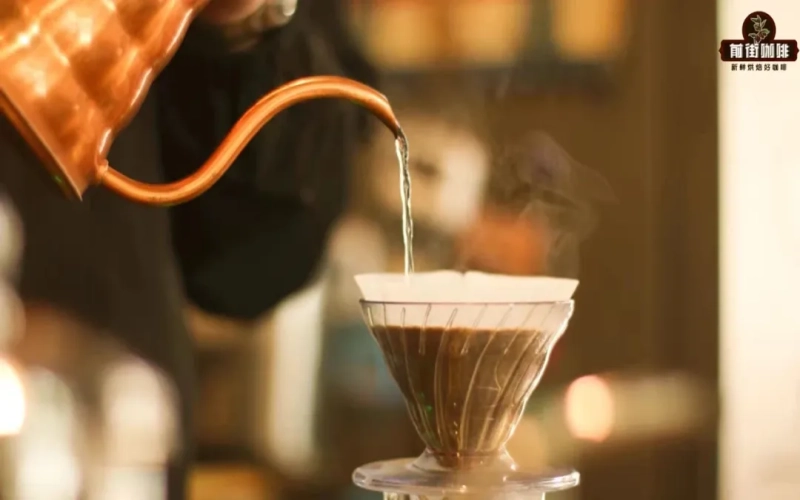
How Does Water Level in Pour-Over Coffee Shape Flavor: Explaining the Principles and Practical Points of a High-Sweetness Brewing Method
On various coffee-sharing platforms, the term "high water level" appears frequently, claiming that by controlling the water level height during brewing, coffee can be made to show a more prominent sweetness. Can the water level really dictate the flavor direction of a cup of coffee? This article will start from the coffee bed structure and extraction mechanism, analyze the respective advantages and applicable scenarios of high and low water levels, and give specific operational suggestions, including how high the coffee bed should be raised in the dripper, and how to reduce the difficulty of water control through pulse pouring and other practical techniques. It will also recommend Front Street series bean lists suitable for pursuing sweetness, helping you brew your ideal flavor with the right method. [more…]
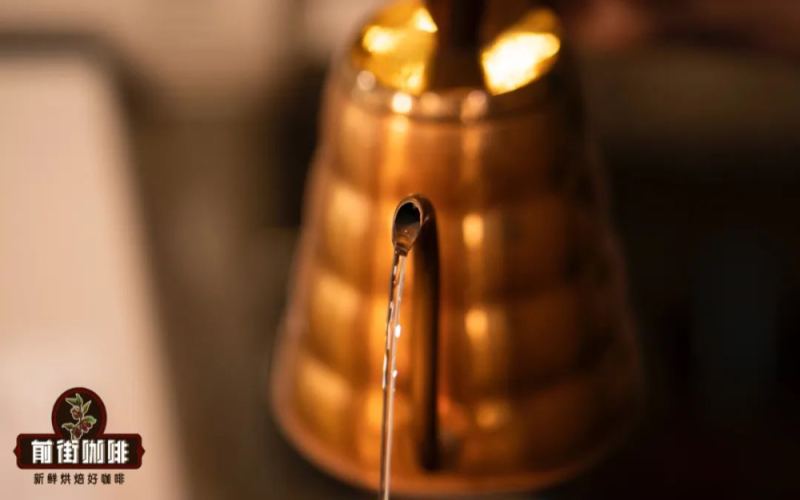
A Comprehensive Guide to Pour-Over Coffee Water Control Techniques: The Difference Between High and Low Flow Rates and Systematic Practice Methods
In the process of brewing pour-over coffee, the key to determining the quality of a cup often lies not in the final shape of the coffee bed, but in whether the brewing parameters match the beans and equipment, and whether the water flow is stable and controllable during pouring. An erratic flow rate or a drifting pour point can lead to problems such as excessive bypass water and uneven extraction. From the perspective of Front Street, this article systematically explains how to choose and consistently practice with a pour-over kettle, and advances water control skills in two stages—fixed-point steady pouring and circular steady pouring—while also explaining the performance differences between large and small flows under different spout diameters, helping coffee enthusiasts find a practice path that suits them. [more…]
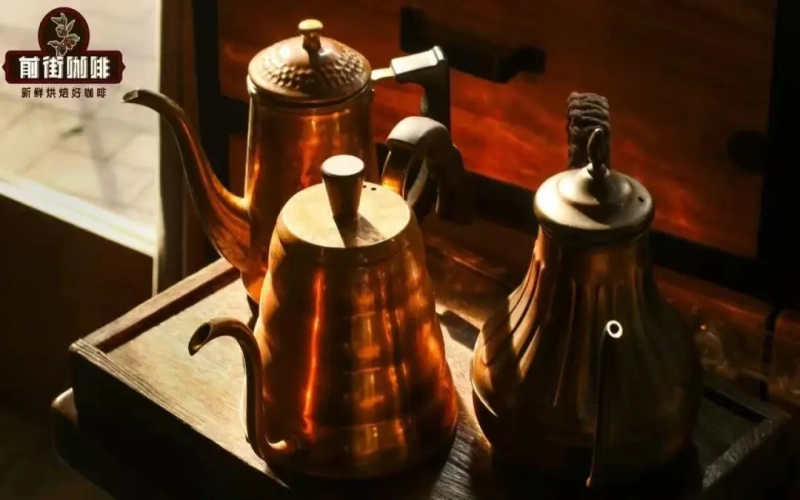
Can an ordinary electric kettle replace a pour-over kettle? Practical methods and parameters for brewing good coffee with a home kettle
Professional pour-over kettles often cost two to three hundred yuan, which puts many coffee enthusiasts off. In fact, as long as you master the correct extraction parameters and pouring strategy, an ordinary electric kettle at home can also brew a delicious cup of pour-over coffee. This article first analyzes the inherent shortcomings of ordinary electric kettles in terms of spout design and capacity, then offers two practical solutions—filling the kettle to stabilize its center of gravity and control the flow, or using staged pouring to lower the difficulty. It then uses Front Street Yirgacheffe·Gudgud as an example to fully share parameters such as coffee dose, ratio, grind size, and water temperature, and demonstrates step by step the entire process of blooming, staged pouring, and circular extraction, helping you consistently produce a clean, solid single-origin coffee even with the most ordinary equipment. [more…]
Why Does Cold Brew Coffee Take 8 Hours? An Analysis of the Extraction Principle and Key Points of Drip Rate Control
Cold brew coffee is often served in limited quantities at cafés, precisely because its production cycle usually exceeds eight hours. This type of coffee, which originated in Europe and gets its name from the Dutch invention of a distillation apparatus, is also called Dutch Coffee, distilled coffee, or water-drip coffee. It relies on condensed natural osmotic water pressure to let cold water drip through the coffee grounds one drop at a time, continuously extracting at a low temperature of about 5°C for several hours. The flavor of the finished product varies depending on the roast level, water volume, water temperature, drip rate, and grind coarseness. It has a rich, smooth, and refreshingly icy taste, making it the foundation for drinking straight in summer or for making iced coffee. Front Street Coffee's cold brew recipe also emphasizes the coordination between drip rate and grind. Below, we'll break down its extraction principles and time control. [more…]